

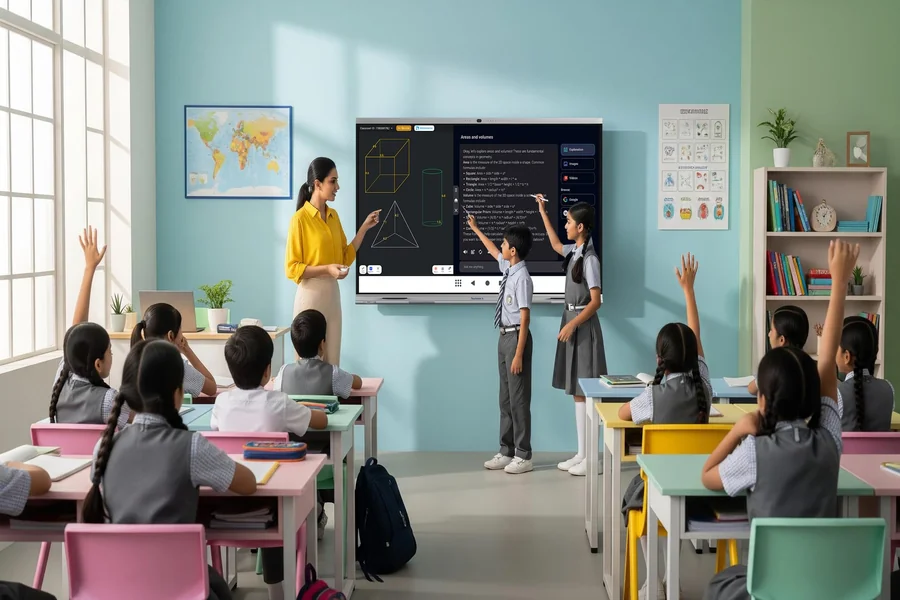
Education has changed significantly over the past few years. Traditional classrooms are no longer limited to textbooks chalkboards and face to face lectures. Technology has introduced new ways of teaching and learning that make education more engaging flexible and accessible. Students can now access learning materials from almost anywhere while teachers have powerful digital tools to improve classroom experiences.
How Digital Education Is Transforming Classrooms is an important topic because digital learning has become a central part of modern education. Schools colleges and universities are adopting online platforms interactive software and smart devices to help students learn more effectively. These changes are creating opportunities that were difficult to imagine only a decade ago.
Digital education is not replacing teachers. Instead it is giving educators better ways to communicate explain complex ideas and personalize lessons for different learning styles. As technology continues to improve classrooms will become even more interactive and student focused.
In this article we will discuss how digital education is changing classrooms the benefits it offers the challenges schools face and what the future may hold.
The Rise of Digital Learning in Modern Education
Digital education has grown rapidly because technology has become more affordable and widely available. Schools now use laptops tablets interactive whiteboards and educational software to support daily lessons. These tools help students understand concepts through videos animations quizzes and virtual activities.
Online learning platforms also allow students to continue studying outside the classroom. Homework assignments recorded lessons and study materials are available at any time making learning more flexible. Students who need extra practice can review lessons at their own pace without feeling pressured.
Teachers also benefit from digital learning systems. They can prepare lessons more efficiently track student progress and identify areas where additional support is needed. Digital assessments provide faster feedback allowing students to improve their understanding more quickly.
The rise of cloud technology has made collaboration easier as well. Students can work together on projects share ideas and communicate with classmates even when they are not in the same classroom.
Benefits of Digital Education for Students and Teachers
One of the biggest advantages of digital education is increased student engagement. Interactive lessons capture attention better than traditional teaching methods. Educational games videos and simulations help students understand difficult topics in a more enjoyable way.
Personalized learning is another major benefit. Every student learns differently. Digital platforms can adjust lessons based on individual progress allowing students to spend more time on challenging subjects while moving faster through topics they already understand.
Teachers gain access to valuable teaching resources that save time and improve lesson quality. Digital libraries online research tools and educational applications provide fresh content that supports classroom instruction.
Communication between teachers students and parents has also improved. Online portals allow parents to monitor academic progress attendance and assignments. This stronger connection helps support student success both at school and at home.
Digital education also encourages independent learning. Students learn how to research information manage their schedules and solve problems using digital resources. These skills prepare them for higher education and future careers where technology plays an important role.
Technology Is Creating Smarter Classrooms
Modern classrooms are becoming more connected through advanced technology. Interactive displays allow teachers to present lessons using images videos and live demonstrations that make learning easier to understand.
Artificial intelligence is beginning to support education by providing personalized recommendations and instant feedback. AI powered learning systems can identify student strengths and weaknesses helping teachers create more effective lesson plans.
Virtual reality and augmented reality are also transforming classroom experiences. Students can visit historical locations explore the human body or study the solar system through immersive digital environments. These experiences make learning memorable and increase student curiosity.
Cloud based learning platforms store educational materials securely while allowing students to access them from different devices. This flexibility ensures learning can continue whether students are at school or studying from home.
Digital classrooms also support students with different learning needs. Features such as speech recognition subtitles screen readers and adjustable text sizes create a more inclusive learning environment where everyone has the opportunity to succeed.
Challenges Schools Must Address
Although digital education offers many advantages it also presents several challenges. One of the biggest concerns is equal access to technology. Not every student has reliable internet access or modern devices at home. Closing this digital gap remains an important goal for many education systems.
Teachers also require ongoing training to use new technology effectively. Introducing advanced digital tools without proper guidance can reduce their educational value. Professional development helps educators build confidence and improve classroom instruction.
Cybersecurity is another important issue. Schools must protect student information and maintain secure digital platforms. Strong passwords secure networks and responsible online behavior are essential for creating safe learning environments.
Screen time should also be managed carefully. While technology supports education students still benefit from physical activities classroom discussions and hands on learning experiences. A balanced approach helps maintain healthy learning habits.
Schools must also ensure that digital education complements viralshayari rather than replaces critical thinking creativity and personal interaction. Technology works best when it supports skilled teachers instead of replacing them.
Final Thoughts
How Digital Education Is Transforming Classrooms reflects one of the most important changes in modern education. Technology has made learning more flexible engaging and accessible while giving teachers better tools to support student success.
Digital classrooms encourage collaboration personalized learning and independent thinking. They prepare students for a future where digital skills are essential in almost every profession. At the same time schools must continue addressing challenges such as technology access teacher training and cybersecurity.
The future of education will likely combine traditional teaching with innovative digital solutions. This balanced approach will help students develop academic knowledge practical skills and lifelong learning habits.
As technology continues to evolve digital education will play an even greater role in shaping classrooms that inspire curiosity creativity and success for future generations.
FAQs About How Digital Education Is Transforming Classrooms
What is digital education?
Digital education is the use of technology such as computers tablets online platforms and educational software to support teaching and learning.
How does digital education improve classroom learning?
It makes lessons more interactive provides personalized learning opportunities improves communication and gives students access to learning materials anytime.
Why is technology important in modern classrooms?
Technology helps teachers explain complex topics more effectively while allowing students to learn through interactive activities videos and digital resources.
What challenges does digital education face?
Common challenges include unequal access to technology internet connectivity teacher training cybersecurity and managing student screen time.
Can digital education replace teachers?
No. Digital education supports teachers by providing better learning tools but human guidance communication and classroom interaction remain essential.
What is the future of digital classrooms?
Future classrooms will use artificial intelligence virtual reality cloud learning and personalized education to create more engaging and effective learning experiences.
